Don't Overspend: What to Look For When Buying a Home
Falling in love with a house is easy. Spotting the expensive problems hiding behind fresh paint is the part that protects your wallet.
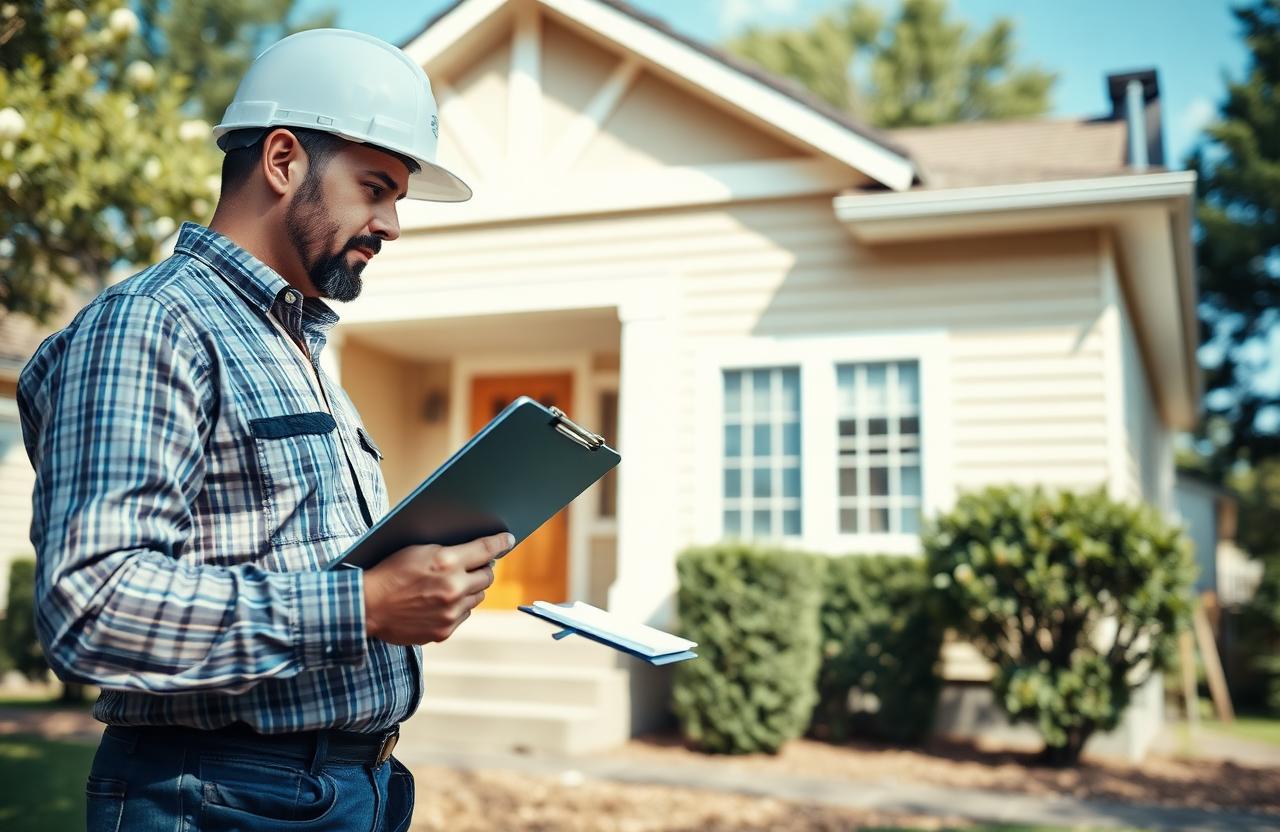
Buying a home is one of the biggest financial decisions you'll ever make, and it's natural to feel a mix of excitement and apprehension. You want to find that perfect place, a sanctuary that fits your dreams and your budget. But in the midst of all that excitement, it's easy to overlook things that could turn your dream home into a money pit. My goal today is to equip you with some essential knowledge, helping you navigate the home-buying process with confidence and avoid overspending.
First, let's talk about the foundation and structural integrity. This is not something you can easily fix with a coat of paint. Look for cracks in the foundation, bowing walls, or sagging floors. These are major red flags. While a home inspection can uncover these issues, a little pre-screening on your part can save you from falling in love with a property that's hiding costly structural problems. Don't be afraid to ask questions about any visible concerns — your peace of mind (and your wallet) will thank you.
Next, consider the age and condition of major systems: the roof, HVAC, and plumbing. These are the unsung heroes of your home, and repairs or replacements can be incredibly expensive. An older roof might look fine from a distance, but a closer inspection could reveal missing shingles or a lifespan nearing its end. Similarly, an aging furnace or air conditioner could be inefficient (driving up your utility bills) or on the verge of breakdown. Get a good sense of when these systems were last updated and factor that into your overall budget. Sometimes, a slightly higher purchase price for a home with newer systems can actually save you money in the long run.
Third, pay close attention to water damage, both past and present. Water is a home's worst enemy. Look for stains on ceilings or walls, a musty odor, or visibly damp areas in basements or attics. Even if a leak has been "fixed," lingering moisture can lead to mold, which is a health hazard and expensive to remediate. During heavy rain, if possible, observe how water drains around the property. Are there puddles forming near the foundation? This could indicate drainage issues that will need to be addressed.
Fourth, think about the property's layout and functionality, and whether it genuinely suits your lifestyle. We all have those "wants" in a home, but sometimes we overlook practical considerations. Does the floor plan flow well? Is there enough storage? While cosmetic changes are relatively easy, altering the fundamental structure or adding significant square footage can be incredibly costly. Choose a home whose bones already fit the life you want to live — that's how you avoid overspending later.