Spotting a Genuinely Growing Pittsburgh Neighborhood
Agents love to say a neighborhood is "up and coming." Here's how to confirm it yourself with facts, not hype — from permits to schools to infrastructure.
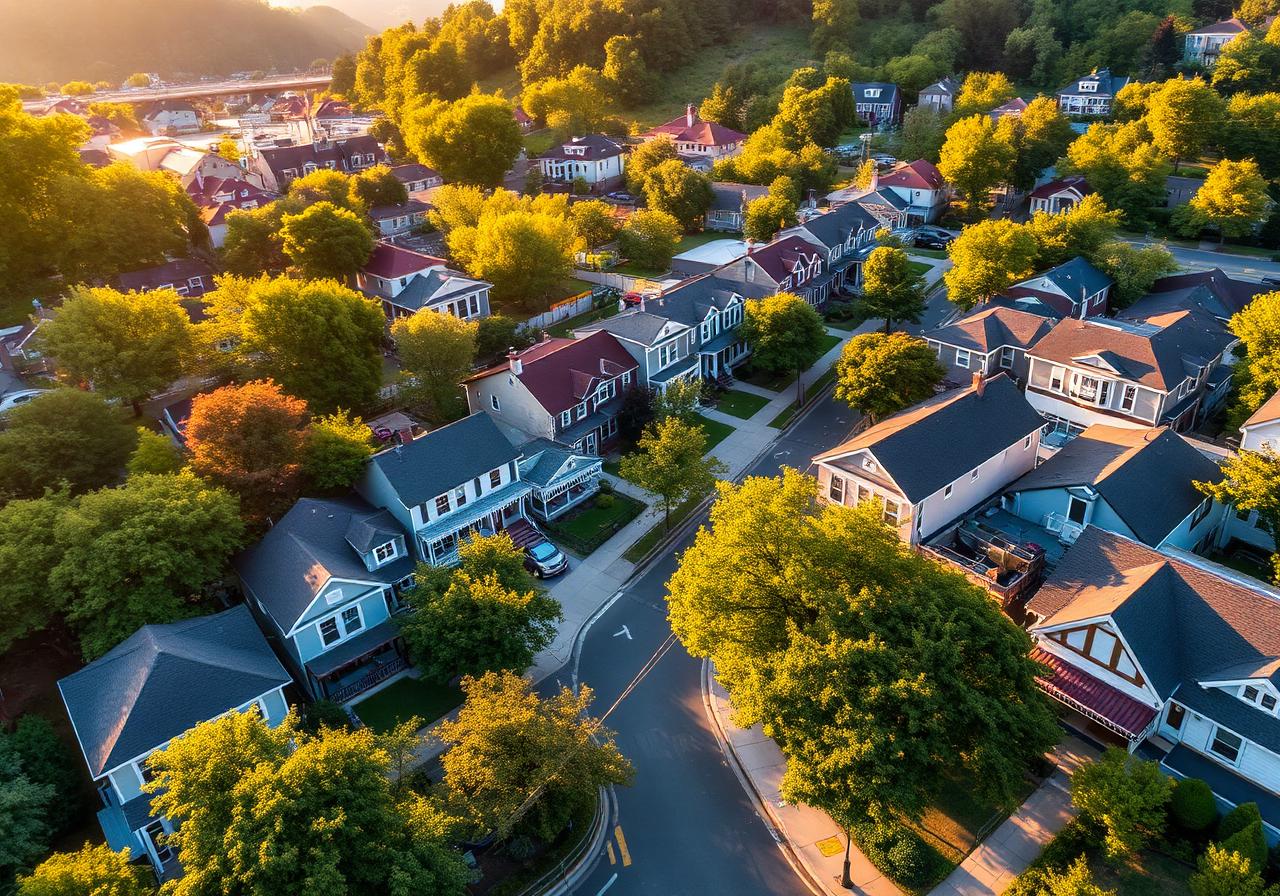
So, real estate agents love to say a neighborhood is "up and coming." We all know it. It's a common pitch. But what does it actually *mean*, and more importantly, how do you, the buyer, confirm it yourself? You can't just take their word for it. Your investment is on the line. You need facts, not hype. I'm here to cut through the noise and give you the real indicators.
## 1. Check the Permits
First, look at the permits. Building permits are public record. See a lot of new construction? Renovations? Demolitions making way for something new? That's activity. That's growth. If the only permits filed are for someone replacing a leaky faucet, that's not "up and coming." It's static. Go to the municipal office or check their website — many municipalities post permit information online. This is concrete evidence, not a vague promise.
## 2. Watch the Businesses
Next, businesses. Are new shops opening? Not just another nail salon, but places that indicate a young, growing demographic. Think cafes, craft breweries, independent boutiques, even grocery stores upgrading their offerings. Empty storefronts are a red flag. Constant turnover of small, struggling businesses? Another red flag. A thriving commercial district reflects a growing residential base and increased disposable income. People move to places where they can live, work, and play, all within a reasonable distance.
## 3. Study the Schools
Then, the schools. Don't just look at test scores. Look at enrollment trends. Are they increasing? Are there new programs, new facilities? A growing school district indicates families are moving in and staying. It's a huge draw for new residents. Conversely, declining enrollment or schools closing is a serious warning sign. Ignore it at your peril.
## 4. Follow the Infrastructure
Finally, infrastructure. Are there new public transportation routes? Road improvements? Parks being built or refurbished? Investment in public services shows a commitment to the future of the area. It's the local government signaling confidence in its growth. A neighborhood without ongoing infrastructural improvements is often a neighborhood that's being overlooked, or worse, in decline.
Do your homework. Look beyond the agent's smooth talk. Your money deserves better.